Back to LivingCity Guide

Living in Maputo

Practical guide to the capital: neighborhoods, services, culture, and daily life.

Updated: August 2026

City profile

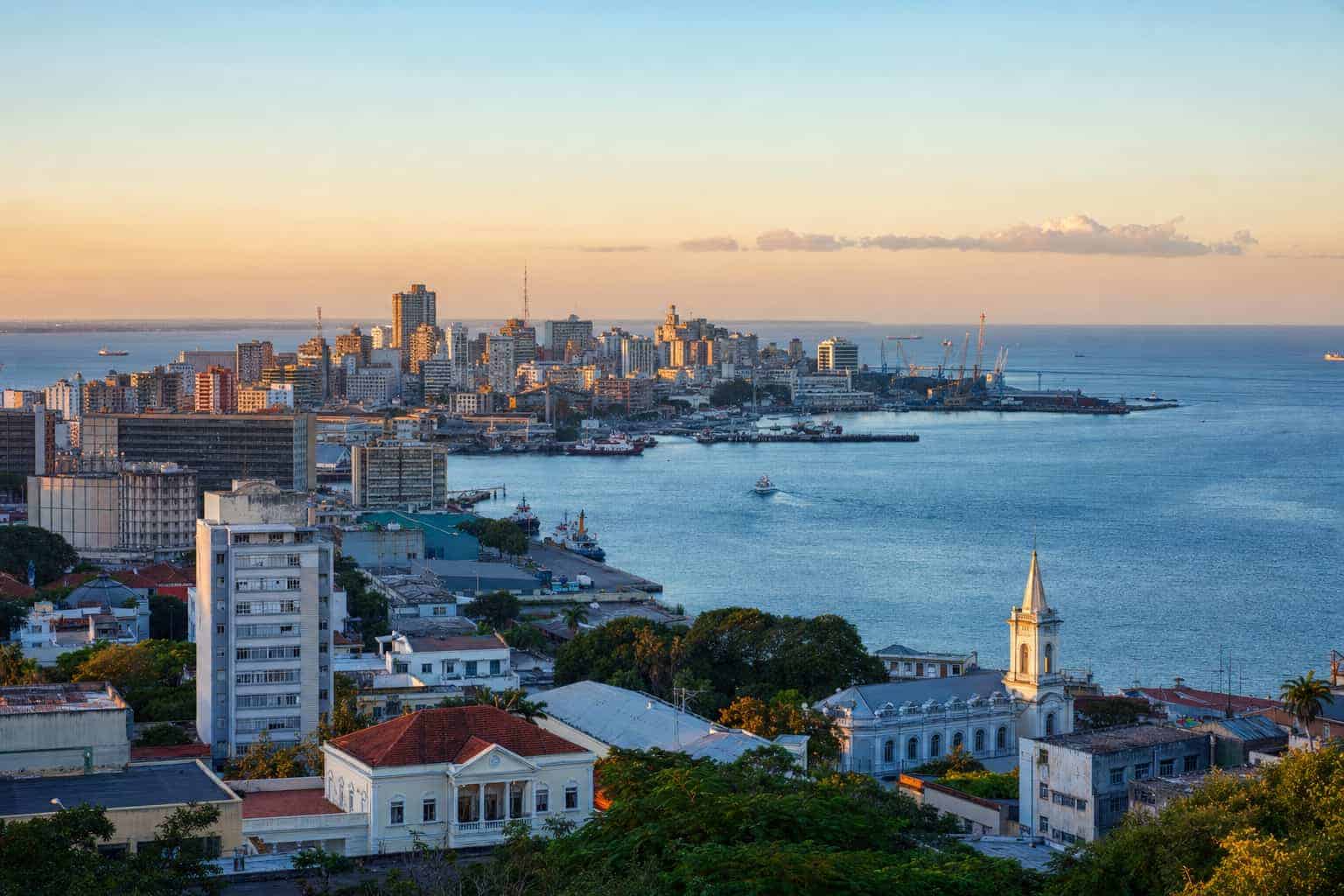
Maputo is Mozambique's economic and administrative capital, with about 1.2 million in the city and over 2 million in the metropolitan area including Matola. It concentrates embassies, corporate HQs, private clinics, universities, and the country's largest international school offering.

The climate is humid subtropical; hot from October to March, milder in the dry season. Sectors such as banking, logistics, construction, tourism, services, and light industry employ thousands of local and international residents.
Residential neighborhoods

Neighborhood choice depends on budget, commute, and preferences. Visit each area at different times of day (morning, rush hour, weekend) to assess traffic, noise, and atmosphere before choosing where to live.

  • Sommerschield and Polana: embassies, clinics, restaurants; high rent
  • Costa do Sol and Triunfo: beach proximity, popular with families
  • Matola: more affordable, industry and logistics; commute to Maputo
  • Baixa: central, noisier; commercial and residential mix
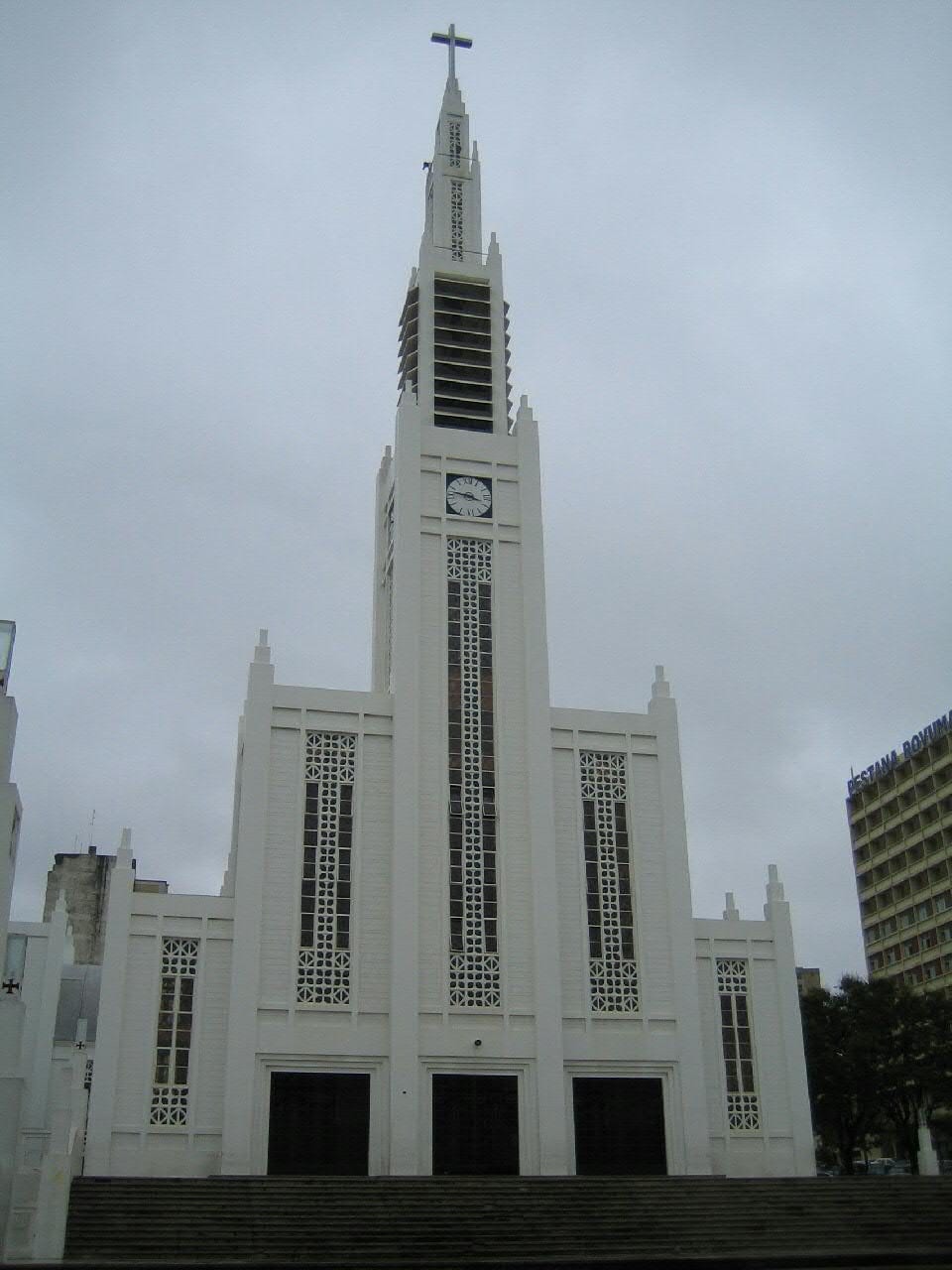
Maputo Cathedral with Pestana Rovuma behind

Historic centre

The cathedral and Independence Square mark Maputo’s civic heart; a clear orientation point for Baixa.

Daily life

Supermarkets (Shoprite, Pick n Pay, Food Lovers), municipal markets, private clinics, and the public Central Hospital are spread across the city. International schools and universities concentrate in the metropolitan area; MPM airport links regional and intercontinental flights.

Power cuts from EDM (Electricidade de Moçambique, the national electricity utility) can occur; many homes have generators or inverters. Municipal water supplemented by tanks. Heavy traffic 7–9am and 4–7pm.

Restaurants, gyms, markets, and cultural events keep the city lively. Maputo is also a gateway to the south (Ponta do Ouro, Inhaca) and road links to the rest of the country.

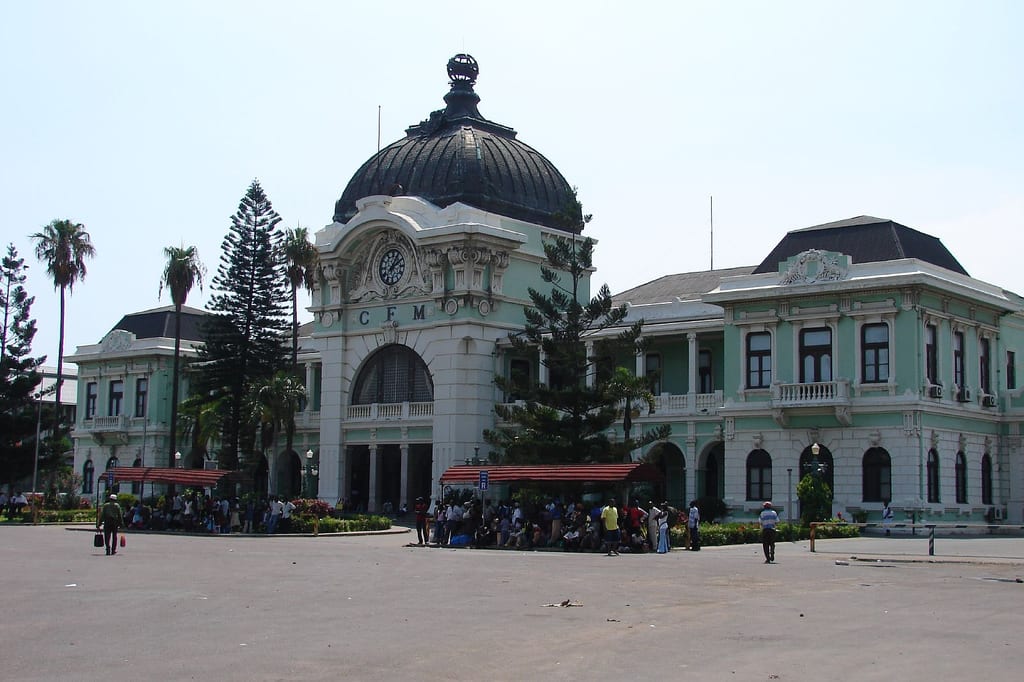
Central railway station in Maputo

CFM station

The railway station is a Baixa landmark and a symbol of the historic port-to-interior link.

Local administration

Each city has municipal administration, public health units overseen by the Ministry of Health (MISAU), and public schools under the Ministry of Education and Human Development (MINEDH). Water and licensing services vary by municipality.

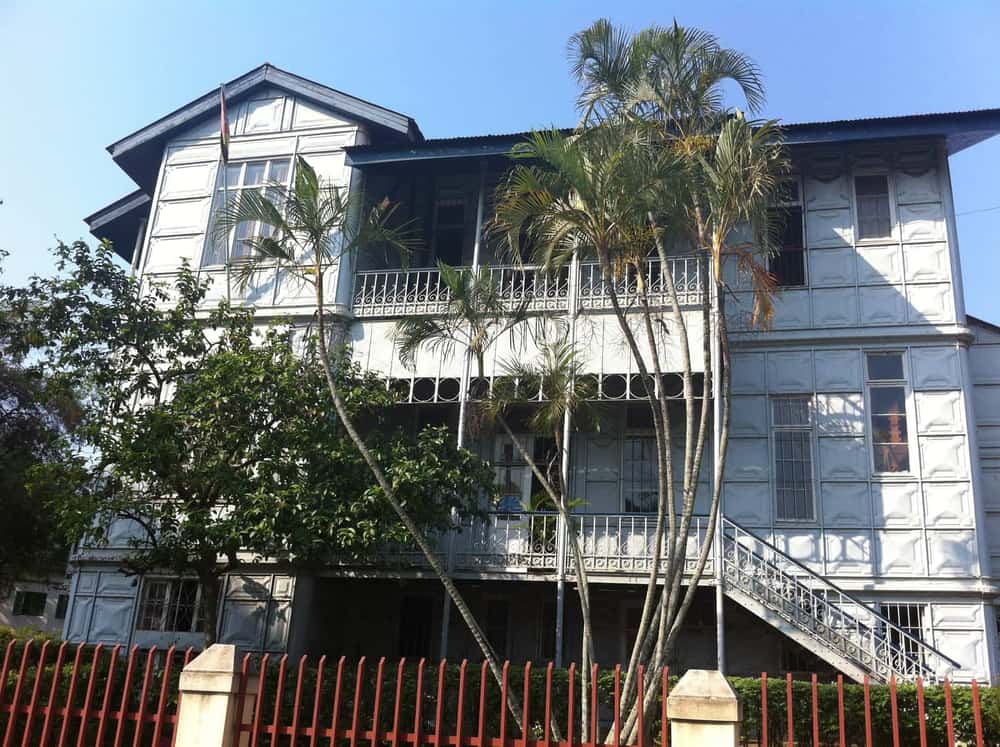
Historic street in Maputo Baixa

Baixa and the Marginal

Sommerschield, Polana, and the Marginal offer strong residential choice. Walk each area at different times of day to sense traffic, noise, and atmosphere before you choose.

Pros and cons

Maputo is the natural entry point for anyone settling in Mozambique; even those working in other provinces often pass through the capital.

  • Pros: best infrastructure, jobs, schools, and private healthcare
  • Pros: direct flights, cultural diversity, quality restaurants
  • Cons: higher cost of living, traffic, pollution, and heat

Moving to Maputo?

Send us a message and we will get back to you.

Contact us